


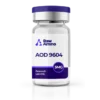

ARA-290 – 16MG
$87.00
Scientific Overview of ARA-290
ARA-290, also known as cibinetide, is a synthetic peptide derived from the beta-helix region of erythropoietin (EPO). While EPO itself is broadly studied for roles in erythropoiesis and tissue protection, ARA-290 was designed to explore similar tissue-protective and neuro-modulatory pathways without the hematopoietic activity of EPO. Research suggests that this peptide may interact with receptors implicated in cellular stress responses, where it has been examined for its potential in regulating inflammatory processes, vascular stability, and neuronal signaling.
Alternative Names: Cibinetide, PH-BSP
ARA-290 Studies and Research Data
ARA-290 Investigations into Immune Modulation
Several studies have explored the possibility that ARA-290 engages with tissue-protective receptors (TPRs) found on immune cells, including macrophages and dendritic cells. This interaction has been proposed to attenuate pro-inflammatory cytokine release, which may influence the adaptive immune response. Research suggests that in autoimmune models such as systemic lupus erythematosus (SLE) and colitis, ARA-290 might play a role in reducing the activity of autoantibodies and in adjusting immune signaling pathways. Such findings have led to continued interest in its potential within experimental immune regulation frameworks.
ARA-290 Research on Pain Signaling Pathways
The innate repair receptor (IRR), thought to be a target for both EPO and ARA-290, has been investigated in the context of neuropathic pain. Preclinical work indicates that ARA-290 may interact with the TRPV1 receptor, also known as the capsaicin receptor, which is linked to nociceptive signaling. Findings from murine studies suggest that this peptide might modulate calcium responses in sensory neurons and alter pain perception in behavioral assays, indicating a potential role in neuropathic pain research.
Vascular and Retinal Studies
Experimental studies in ischemic retina models have examined the role of ARA-290 in supporting endothelial colony-forming cells (ECFCs). Findings suggest that the peptide may influence cellular pathways associated with vascular repair and inflammatory control. In oxygen-induced retinopathy models, systemic exposure to ARA-290 appeared to correlate with reductions in certain inflammatory cytokines and improved structural markers of vascular regeneration. These outcomes have been taken as indications that ARA-290 could be of interest in the study of vascular stability and retinal repair.
Exploration of Inflammatory Cytokine Regulation
Investigations in murine models of islet transplantation have considered whether ARA-290 might influence macrophage activity and reduce the release of inflammatory cytokines such as TNF-α, IL-6, and IL-12. Preliminary findings suggest possible protective outcomes for islet cells exposed to pro-inflammatory environments. Hypothesized mechanisms include interaction with EPOR-βcR complexes and downstream pathways such as PI3K-Akt and JAK2-STAT5 signaling, which may help limit apoptosis and support cellular survival under stress conditions.
Conclusion
The research surrounding ARA-290 centers on its potential to influence immune pathways, inflammatory regulation, vascular stability, and nociceptive signaling. While results from preclinical studies and early investigations suggest multiple possible avenues of scientific interest, further research is needed to fully clarify the mechanisms and applications of this peptide.
Be the first to review “ARA-290 – 16MG”
You must be logged in to post a review.
Related products

Peptides
Peptides
Peptides
Peptides

Peptides
Peptides
Peptides
Peptides
Reviews
There are no reviews yet.