

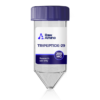

Thyrotropin TRH – 25MG
$109.00
Scientific Overview of TRH Thyrotropin (Protirelin)
Thyrotropin-Releasing Hormone (TRH), also known as Protirelin, is a tripeptide produced in the hypothalamus that has drawn sustained interest in neuroendocrine and neurobehavioral research. It may function through interactions with thyrotropin-releasing hormone receptors (TRH-1 and TRH-2), which are distributed throughout the central nervous system and anterior pituitary. TRH has long been investigated for its potential to influence thyroid-related pathways, but research has expanded into areas including neural signaling, cellular protection, and adaptive physiological responses.
Alternative Names: Protirelin, Thyroliberin, Lopremone, Relefact
Thyrotropin Studies and Research Data
Thyrotropin and Mood-Related Pathways
Research has suggested that TRH may exert modulatory roles in studies related to mood regulation. Investigations in animal models reported that introduction of TRH was associated with notable reductions in behaviors linked to depressive states. Some findings indicated that TRH exposure during nocturnal phases appeared to align with natural circadian cycles, raising the possibility that timing may influence observed outcomes.
Motor Learning and Neural Adaptation
Experimental studies in TRH-deficient mice implied that this peptide could play a part in cerebellar function and motor learning. When TRH was introduced, knockout models appeared to acquire new motor tasks at faster rates than controls, supporting a potential role in cerebellar signaling and motor adaptation.
Interactions with Opioid Research
In contexts examining opioid exposure, TRH has been observed to increase breathing rates in a concentration-dependent manner, sometimes preventing mortality in induced overdose models. Comparisons with Narcan suggested differing underlying mechanisms, with speculation that the two substances could act synergistically in respiratory regulation research.
Shock and Circulatory Research
Analogues of TRH, such as Taltirelin, have been investigated in acute hemorrhagic shock models. Findings proposed possible stabilization of blood pressure, respiratory patterns, and blood pH. This has led researchers to explore whether such analogues could play a supportive role in studies of circulatory compromise.
Endocrine and Disease Associations
Alterations in TRH activity have been noted in both thyroid and non-thyroid contexts. Research has raised questions about whether certain neuronal populations lose their ability to regulate TRH, which may contribute to systemic imbalances. These observations highlight TRH’s broader relevance beyond its classical hypothalamic-pituitary-thyroid role.
Cellular Aging and Oxidative Stress
In animal studies, TRH has been associated with reduced oxidative damage in organs such as kidneys and testes, where amyloid plaque accumulation appeared diminished. This has prompted speculation that TRH may influence cellular aging processes. Interest has also extended to Alzheimer’s-related research, though findings in the brain remain inconclusive.
Thyrotropin and Neurotransmitter Release Modulation
Experiments with hippocampal slices suggested that TRH may inhibit the stimulated release of excitatory neurotransmitters like glutamate and aspartate, while not affecting basal release. These results raise the possibility of TRH acting through calcium-dependent mechanisms and interactions with high-affinity receptor subtypes.
Cardiovascular Regulation Studies
Research involving targeted hypothalamic injections indicated that TRH may contribute to changes in heart rate and blood pressure, with responses varying by brain region. These differences suggest a region-specific action potentially involving sympathetic and parasympathetic pathways, as well as adrenal factors.
Be the first to review “Thyrotropin TRH – 25MG”
You must be logged in to post a review.
Related products
Peptides
Peptides
Peptides
Peptides
Peptides
Peptides

Peptides
Peptides
Reviews
There are no reviews yet.