

Raw Amino Peptides
Cart
Checkout
My account
Sample Page
Shop
0
Home
/
Shop
/ Page 2
Shop
Showing 17–32 of 95 results
Default sorting
Sort by popularity
Sort by average rating
Sort by latest
Sort by price: low to high
Sort by price: high to low
CJC-1295 (Mod GRF 1-29) & Ipamorelin & GHRP-2 – 9MG
$
87.00
Add to cart
View cart
CJC-1295 (no DAC) & Hexarelin – 10MG
$
93.00
Add to cart
View cart
CJC-1295 & GHRP-2 – 10MG
$
83.00
Add to cart
View cart
CJC-1295 & GHRP-6 – 10MGScientific Overview of CJC-1295 & GHRP-6 The CJC-1295 and GHRP-6 combination has been studied for its possible interaction with pathways involved in growth hormone signaling. CJC-1295 is described as structurally similar to a portion of growth hormone-releasing hormone (GHRH), while GHRP-6 is categorized as a synthetic peptide that may act on ghrelin receptors. Together, this pairing has been suggested to engage distinct but complementary mechanisms, potentially influencing how growth hormone-related signals are processed in the pituitary and hypothalamus. Alternative Names: CJC-1295: Mod GRF (1-29), Tetra-substituted GRF (1-29), GHRP-6: Growth Hormone Releasing Peptide-6 CJC-1295 & GHRP-6 Studies and Research Data Research on Pituitary Cell Interactions CJC-1295 has been noted to bind with GHRH receptors in the anterior pituitary, which may contribute to an ongoing pulsatile release of growth hormone. Studies have proposed that modified amino acid substitutions in CJC-1295 could enhance its resistance to enzymatic breakdown, allowing it to maintain activity over longer periods. In parallel, GHRP-6 has been observed to interact with ghrelin receptors on pituitary cells, potentially initiating signaling that promotes growth hormone release. CJC-1295 & GHRP-6 Investigations into Cellular Pathways In experimental work, GHRP-6 has been associated with the activation of the growth hormone secretagogue receptor (GHS-R1a). This receptor is thought to play a role in metabolic regulation, appetite signaling, and cellular responses to energy balance. Research has also suggested possible interactions with CD36 receptors, which are implicated in lipid uptake, immune modulation, and vascular processes. These findings indicate that GHRP-6 may influence several interconnected pathways, though further study is required. Observations on IGF-1 and Downstream Signals Some studies have reported that stimulation with CJC-1295 may be linked with increases in insulin-like growth factor 1 (IGF-1), a mediator associated with growth hormone activity. Research involving animal models has suggested elevated IGF-1 expression in specific brain regions, such as the hypothalamus and hippocampus, following GHRP-6 introduction. This was paralleled by changes in certain intracellular signaling proteins, including Akt, which is commonly linked with survival and growth-related pathways. CJC-1295 & GHRP-6: Synergistic Research Between Peptides The combination of CJC-1295 and GHRP-6 has been hypothesized to support a complementary interaction, with CJC-1295 maintaining pulsatile signaling while GHRP-6 sustains baseline growth hormone release. Together, they may influence processes tied to cell protection, recovery, and adaptive responses. Preliminary studies also suggest that this blend could play a role in areas such as sleep regulation, tissue repair, and neuroprotection, though these avenues remain under active investigation. Conclusion The CJC-1295 and GHRP-6 peptide blend has been investigated primarily for its potential to interact with pituitary and hypothalamic signaling pathways. Evidence suggests that CJC-1295 may extend GHRH-like activity, while GHRP-6 appears to act through ghrelin and possibly CD36 receptors. Together, these peptides may demonstrate complementary interactions related to growth hormone release and downstream mediators such as IGF-1. While these findings indicate intriguing research possibilities, ongoing exploration is required to clarify the full scope of these mechanisms.Scientific Overview of CJC-1295 & GHRP-6 The CJC-1295 and GHRP-6 combination has been studied for its possible interaction with pathways involved in growth hormone signaling. CJC-1295 is described as structurally similar to a portion of growth hormone-releasing hormone (GHRH), while GHRP-6 is categorized as a synthetic peptide that may act on ghrelin receptors. Together, this pairing has been suggested to engage distinct but complementary mechanisms, potentially influencing how growth hormone-related signals are processed in the pituitary and hypothalamus. Alternative Names: CJC-1295: Mod GRF (1-29), Tetra-substituted GRF (1-29), GHRP-6: Growth Hormone Releasing Peptide-6 CJC-1295 & GHRP-6 Studies and Research Data Research on Pituitary Cell Interactions CJC-1295 has been noted to bind with GHRH receptors in the anterior pituitary, which may contribute to an ongoing pulsatile release of growth hormone. Studies have proposed that modified amino acid substitutions in CJC-1295 could enhance its resistance to enzymatic breakdown, allowing it to maintain activity over longer periods. In parallel, GHRP-6 has been observed to interact with ghrelin receptors on pituitary cells, potentially initiating signaling that promotes growth hormone release. CJC-1295 & GHRP-6 Investigations into Cellular Pathways In experimental work, GHRP-6 has been associated with the activation of the growth hormone secretagogue receptor (GHS-R1a). This receptor is thought to play a role in metabolic regulation, appetite signaling, and cellular responses to energy balance. Research has also suggested possible interactions with CD36 receptors, which are implicated in lipid uptake, immune modulation, and vascular processes. These findings indicate that GHRP-6 may influence several interconnected pathways, though further study is required. Observations on IGF-1 and Downstream Signals Some studies have reported that stimulation with CJC-1295 may be linked with increases in insulin-like growth factor 1 (IGF-1), a mediator associated with growth hormone activity. Research involving animal models has suggested elevated IGF-1 expression in specific brain regions, such as the hypothalamus and hippocampus, following GHRP-6 introduction. This was paralleled by changes in certain intracellular signaling proteins, including Akt, which is commonly linked with survival and growth-related pathways. CJC-1295 & GHRP-6: Synergistic Research Between Peptides The combination of CJC-1295 and GHRP-6 has been hypothesized to support a complementary interaction, with CJC-1295 maintaining pulsatile signaling while GHRP-6 sustains baseline growth hormone release. Together, they may influence processes tied to cell protection, recovery, and adaptive responses. Preliminary studies also suggest that this blend could play a role in areas such as sleep regulation, tissue repair, and neuroprotection, though these avenues remain under active investigation. Conclusion The CJC-1295 and GHRP-6 peptide blend has been investigated primarily for its potential to interact with pituitary and hypothalamic signaling pathways. Evidence suggests that CJC-1295 may extend GHRH-like activity, while GHRP-6 appears to act through ghrelin and possibly CD36 receptors. Together, these peptides may demonstrate complementary interactions related to growth hormone release and downstream mediators such as IGF-1. While these findings indicate intriguing research possibilities, ongoing exploration is required to clarify the full scope of these mechanisms.Scientific Overview of CJC-1295 & GHRP-6 The CJC-1295 and GHRP-6 combination has been studied for its possible interaction with pathways involved in growth hormone signaling. CJC-1295 is described as structurally similar to a portion of growth hormone-releasing hormone (GHRH), while GHRP-6 is categorized as a synthetic peptide that may act on ghrelin receptors. Together, this pairing has been suggested to engage distinct but complementary mechanisms, potentially influencing how growth hormone-related signals are processed in the pituitary and hypothalamus. Alternative Names: CJC-1295: Mod GRF (1-29), Tetra-substituted GRF (1-29), GHRP-6: Growth Hormone Releasing Peptide-6 CJC-1295 & GHRP-6 Studies and Research Data Research on Pituitary Cell Interactions CJC-1295 has been noted to bind with GHRH receptors in the anterior pituitary, which may contribute to an ongoing pulsatile release of growth hormone. Studies have proposed that modified amino acid substitutions in CJC-1295 could enhance its resistance to enzymatic breakdown, allowing it to maintain activity over longer periods. In parallel, GHRP-6 has been observed to interact with ghrelin receptors on pituitary cells, potentially initiating signaling that promotes growth hormone release. CJC-1295 & GHRP-6 Investigations into Cellular Pathways In experimental work, GHRP-6 has been associated with the activation of the growth hormone secretagogue receptor (GHS-R1a). This receptor is thought to play a role in metabolic regulation, appetite signaling, and cellular responses to energy balance. Research has also suggested possible interactions with CD36 receptors, which are implicated in lipid uptake, immune modulation, and vascular processes. These findings indicate that GHRP-6 may influence several interconnected pathways, though further study is required. Observations on IGF-1 and Downstream Signals Some studies have reported that stimulation with CJC-1295 may be linked with increases in insulin-like growth factor 1 (IGF-1), a mediator associated with growth hormone activity. Research involving animal models has suggested elevated IGF-1 expression in specific brain regions, such as the hypothalamus and hippocampus, following GHRP-6 introduction. This was paralleled by changes in certain intracellular signaling proteins, including Akt, which is commonly linked with survival and growth-related pathways. CJC-1295 & GHRP-6: Synergistic Research Between Peptides The combination of CJC-1295 and GHRP-6 has been hypothesized to support a complementary interaction, with CJC-1295 maintaining pulsatile signaling while GHRP-6 sustains baseline growth hormone release. Together, they may influence processes tied to cell protection, recovery, and adaptive responses. Preliminary studies also suggest that this blend could play a role in areas such as sleep regulation, tissue repair, and neuroprotection, though these avenues remain under active investigation. Conclusion The CJC-1295 and GHRP-6 peptide blend has been investigated primarily for its potential to interact with pituitary and hypothalamic signaling pathways. Evidence suggests that CJC-1295 may extend GHRH-like activity, while GHRP-6 appears to act through ghrelin and possibly CD36 receptors. Together, these peptides may demonstrate complementary interactions related to growth hormone release and downstream mediators such as IGF-1. While these findings indicate intriguing research possibilities, ongoing exploration is required to clarify the full scope of these mechanisms.Scientific Overview of CJC-1295 & GHRP-6 The CJC-1295 and GHRP-6 combination has been studied for its possible interaction with pathways involved in growth hormone signaling. CJC-1295 is described as structurally similar to a portion of growth hormone-releasing hormone (GHRH), while GHRP-6 is categorized as a synthetic peptide that may act on ghrelin receptors. Together, this pairing has been suggested to engage distinct but complementary mechanisms, potentially influencing how growth hormone-related signals are processed in the pituitary and hypothalamus. Alternative Names: CJC-1295: Mod GRF (1-29), Tetra-substituted GRF (1-29), GHRP-6: Growth Hormone Releasing Peptide-6 CJC-1295 & GHRP-6 Studies and Research Data Research on Pituitary Cell Interactions CJC-1295 has been noted to bind with GHRH receptors in the anterior pituitary, which may contribute to an ongoing pulsatile release of growth hormone. Studies have proposed that modified amino acid substitutions in CJC-1295 could enhance its resistance to enzymatic breakdown, allowing it to maintain activity over longer periods. In parallel, GHRP-6 has been observed to interact with ghrelin receptors on pituitary cells, potentially initiating signaling that promotes growth hormone release. CJC-1295 & GHRP-6 Investigations into Cellular Pathways In experimental work, GHRP-6 has been associated with the activation of the growth hormone secretagogue receptor (GHS-R1a). This receptor is thought to play a role in metabolic regulation, appetite signaling, and cellular responses to energy balance. Research has also suggested possible interactions with CD36 receptors, which are implicated in lipid uptake, immune modulation, and vascular processes. These findings indicate that GHRP-6 may influence several interconnected pathways, though further study is required. Observations on IGF-1 and Downstream Signals Some studies have reported that stimulation with CJC-1295 may be linked with increases in insulin-like growth factor 1 (IGF-1), a mediator associated with growth hormone activity. Research involving animal models has suggested elevated IGF-1 expression in specific brain regions, such as the hypothalamus and hippocampus, following GHRP-6 introduction. This was paralleled by changes in certain intracellular signaling proteins, including Akt, which is commonly linked with survival and growth-related pathways. CJC-1295 & GHRP-6: Synergistic Research Between Peptides The combination of CJC-1295 and GHRP-6 has been hypothesized to support a complementary interaction, with CJC-1295 maintaining pulsatile signaling while GHRP-6 sustains baseline growth hormone release. Together, they may influence processes tied to cell protection, recovery, and adaptive responses. Preliminary studies also suggest that this blend could play a role in areas such as sleep regulation, tissue repair, and neuroprotection, though these avenues remain under active investigation. Conclusion The CJC-1295 and GHRP-6 peptide blend has been investigated primarily for its potential to interact with pituitary and hypothalamic signaling pathways. Evidence suggests that CJC-1295 may extend GHRH-like activity, while GHRP-6 appears to act through ghrelin and possibly CD36 receptors. Together, these peptides may demonstrate complementary interactions related to growth hormone release and downstream mediators such as IGF-1. While these findings indicate intriguing research possibilities, ongoing exploration is required to clarify the full scope of these mechanisms.Scientific Overview of CJC-1295 & GHRP-6 The CJC-1295 and GHRP-6 combination has been studied for its possible interaction with pathways involved in growth hormone signaling. CJC-1295 is described as structurally similar to a portion of growth hormone-releasing hormone (GHRH), while GHRP-6 is categorized as a synthetic peptide that may act on ghrelin receptors. Together, this pairing has been suggested to engage distinct but complementary mechanisms, potentially influencing how growth hormone-related signals are processed in the pituitary and hypothalamus. Alternative Names: CJC-1295: Mod GRF (1-29), Tetra-substituted GRF (1-29), GHRP-6: Growth Hormone Releasing Peptide-6 CJC-1295 & GHRP-6 Studies and Research Data Research on Pituitary Cell Interactions CJC-1295 has been noted to bind with GHRH receptors in the anterior pituitary, which may contribute to an ongoing pulsatile release of growth hormone. Studies have proposed that modified amino acid substitutions in CJC-1295 could enhance its resistance to enzymatic breakdown, allowing it to maintain activity over longer periods. In parallel, GHRP-6 has been observed to interact with ghrelin receptors on pituitary cells, potentially initiating signaling that promotes growth hormone release. CJC-1295 & GHRP-6 Investigations into Cellular Pathways In experimental work, GHRP-6 has been associated with the activation of the growth hormone secretagogue receptor (GHS-R1a). This receptor is thought to play a role in metabolic regulation, appetite signaling, and cellular responses to energy balance. Research has also suggested possible interactions with CD36 receptors, which are implicated in lipid uptake, immune modulation, and vascular processes. These findings indicate that GHRP-6 may influence several interconnected pathways, though further study is required. Observations on IGF-1 and Downstream Signals Some studies have reported that stimulation with CJC-1295 may be linked with increases in insulin-like growth factor 1 (IGF-1), a mediator associated with growth hormone activity. Research involving animal models has suggested elevated IGF-1 expression in specific brain regions, such as the hypothalamus and hippocampus, following GHRP-6 introduction. This was paralleled by changes in certain intracellular signaling proteins, including Akt, which is commonly linked with survival and growth-related pathways. CJC-1295 & GHRP-6: Synergistic Research Between Peptides The combination of CJC-1295 and GHRP-6 has been hypothesized to support a complementary interaction, with CJC-1295 maintaining pulsatile signaling while GHRP-6 sustains baseline growth hormone release. Together, they may influence processes tied to cell protection, recovery, and adaptive responses. Preliminary studies also suggest that this blend could play a role in areas such as sleep regulation, tissue repair, and neuroprotection, though these avenues remain under active investigation. Conclusion The CJC-1295 and GHRP-6 peptide blend has been investigated primarily for its potential to interact with pituitary and hypothalamic signaling pathways. Evidence suggests that CJC-1295 may extend GHRH-like activity, while GHRP-6 appears to act through ghrelin and possibly CD36 receptors. Together, these peptides may demonstrate complementary interactions related to growth hormone release and downstream mediators such as IGF-1. While these findings indicate intriguing research possibilities, ongoing exploration is required to clarify the full scope of these mechanisms.Scientific Overview of CJC-1295 & GHRP-6 The CJC-1295 and GHRP-6 combination has been studied for its possible interaction with pathways involved in growth hormone signaling. CJC-1295 is described as structurally similar to a portion of growth hormone-releasing hormone (GHRH), while GHRP-6 is categorized as a synthetic peptide that may act on ghrelin receptors. Together, this pairing has been suggested to engage distinct but complementary mechanisms, potentially influencing how growth hormone-related signals are processed in the pituitary and hypothalamus. Alternative Names: CJC-1295: Mod GRF (1-29), Tetra-substituted GRF (1-29), GHRP-6: Growth Hormone Releasing Peptide-6 CJC-1295 & GHRP-6 Studies and Research Data Research on Pituitary Cell Interactions CJC-1295 has been noted to bind with GHRH receptors in the anterior pituitary, which may contribute to an ongoing pulsatile release of growth hormone. Studies have proposed that modified amino acid substitutions in CJC-1295 could enhance its resistance to enzymatic breakdown, allowing it to maintain activity over longer periods. In parallel, GHRP-6 has been observed to interact with ghrelin receptors on pituitary cells, potentially initiating signaling that promotes growth hormone release. CJC-1295 & GHRP-6 Investigations into Cellular Pathways In experimental work, GHRP-6 has been associated with the activation of the growth hormone secretagogue receptor (GHS-R1a). This receptor is thought to play a role in metabolic regulation, appetite signaling, and cellular responses to energy balance. Research has also suggested possible interactions with CD36 receptors, which are implicated in lipid uptake, immune modulation, and vascular processes. These findings indicate that GHRP-6 may influence several interconnected pathways, though further study is required. Observations on IGF-1 and Downstream Signals Some studies have reported that stimulation with CJC-1295 may be linked with increases in insulin-like growth factor 1 (IGF-1), a mediator associated with growth hormone activity. Research involving animal models has suggested elevated IGF-1 expression in specific brain regions, such as the hypothalamus and hippocampus, following GHRP-6 introduction. This was paralleled by changes in certain intracellular signaling proteins, including Akt, which is commonly linked with survival and growth-related pathways. CJC-1295 & GHRP-6: Synergistic Research Between Peptides The combination of CJC-1295 and GHRP-6 has been hypothesized to support a complementary interaction, with CJC-1295 maintaining pulsatile signaling while GHRP-6 sustains baseline growth hormone release. Together, they may influence processes tied to cell protection, recovery, and adaptive responses. Preliminary studies also suggest that this blend could play a role in areas such as sleep regulation, tissue repair, and neuroprotection, though these avenues remain under active investigation. Conclusion The CJC-1295 and GHRP-6 peptide blend has been investigated primarily for its potential to interact with pituitary and hypothalamic signaling pathways. Evidence suggests that CJC-1295 may extend GHRH-like activity, while GHRP-6 appears to act through ghrelin and possibly CD36 receptors. Together, these peptides may demonstrate complementary interactions related to growth hormone release and downstream mediators such as IGF-1. While these findings indicate intriguing research possibilities, ongoing exploration is required to clarify the full scope of these mechanisms.Scientific Overview of CJC-1295 & GHRP-6 The CJC-1295 and GHRP-6 combination has been studied for its possible interaction with pathways involved in growth hormone signaling. CJC-1295 is described as structurally similar to a portion of growth hormone-releasing hormone (GHRH), while GHRP-6 is categorized as a synthetic peptide that may act on ghrelin receptors. Together, this pairing has been suggested to engage distinct but complementary mechanisms, potentially influencing how growth hormone-related signals are processed in the pituitary and hypothalamus. Alternative Names: CJC-1295: Mod GRF (1-29), Tetra-substituted GRF (1-29), GHRP-6: Growth Hormone Releasing Peptide-6 CJC-1295 & GHRP-6 Studies and Research Data Research on Pituitary Cell Interactions CJC-1295 has been noted to bind with GHRH receptors in the anterior pituitary, which may contribute to an ongoing pulsatile release of growth hormone. Studies have proposed that modified amino acid substitutions in CJC-1295 could enhance its resistance to enzymatic breakdown, allowing it to maintain activity over longer periods. In parallel, GHRP-6 has been observed to interact with ghrelin receptors on pituitary cells, potentially initiating signaling that promotes growth hormone release. CJC-1295 & GHRP-6 Investigations into Cellular Pathways In experimental work, GHRP-6 has been associated with the activation of the growth hormone secretagogue receptor (GHS-R1a). This receptor is thought to play a role in metabolic regulation, appetite signaling, and cellular responses to energy balance. Research has also suggested possible interactions with CD36 receptors, which are implicated in lipid uptake, immune modulation, and vascular processes. These findings indicate that GHRP-6 may influence several interconnected pathways, though further study is required. Observations on IGF-1 and Downstream Signals Some studies have reported that stimulation with CJC-1295 may be linked with increases in insulin-like growth factor 1 (IGF-1), a mediator associated with growth hormone activity. Research involving animal models has suggested elevated IGF-1 expression in specific brain regions, such as the hypothalamus and hippocampus, following GHRP-6 introduction. This was paralleled by changes in certain intracellular signaling proteins, including Akt, which is commonly linked with survival and growth-related pathways. CJC-1295 & GHRP-6: Synergistic Research Between Peptides The combination of CJC-1295 and GHRP-6 has been hypothesized to support a complementary interaction, with CJC-1295 maintaining pulsatile signaling while GHRP-6 sustains baseline growth hormone release. Together, they may influence processes tied to cell protection, recovery, and adaptive responses. Preliminary studies also suggest that this blend could play a role in areas such as sleep regulation, tissue repair, and neuroprotection, though these avenues remain under active investigation. Conclusion The CJC-1295 and GHRP-6 peptide blend has been investigated primarily for its potential to interact with pituitary and hypothalamic signaling pathways. Evidence suggests that CJC-1295 may extend GHRH-like activity, while GHRP-6 appears to act through ghrelin and possibly CD36 receptors. Together, these peptides may demonstrate complementary interactions related to growth hormone release and downstream mediators such as IGF-1. While these findings indicate intriguing research possibilities, ongoing exploration is required to clarify the full scope of these mechanisms.Scientific Overview of CJC-1295 & GHRP-6 The CJC-1295 and GHRP-6 combination has been studied for its possible interaction with pathways involved in growth hormone signaling. CJC-1295 is described as structurally similar to a portion of growth hormone-releasing hormone (GHRH), while GHRP-6 is categorized as a synthetic peptide that may act on ghrelin receptors. Together, this pairing has been suggested to engage distinct but complementary mechanisms, potentially influencing how growth hormone-related signals are processed in the pituitary and hypothalamus. Alternative Names: CJC-1295: Mod GRF (1-29), Tetra-substituted GRF (1-29), GHRP-6: Growth Hormone Releasing Peptide-6 CJC-1295 & GHRP-6 Studies and Research Data Research on Pituitary Cell Interactions CJC-1295 has been noted to bind with GHRH receptors in the anterior pituitary, which may contribute to an ongoing pulsatile release of growth hormone. Studies have proposed that modified amino acid substitutions in CJC-1295 could enhance its resistance to enzymatic breakdown, allowing it to maintain activity over longer periods. In parallel, GHRP-6 has been observed to interact with ghrelin receptors on pituitary cells, potentially initiating signaling that promotes growth hormone release. CJC-1295 & GHRP-6 Investigations into Cellular Pathways In experimental work, GHRP-6 has been associated with the activation of the growth hormone secretagogue receptor (GHS-R1a). This receptor is thought to play a role in metabolic regulation, appetite signaling, and cellular responses to energy balance. Research has also suggested possible interactions with CD36 receptors, which are implicated in lipid uptake, immune modulation, and vascular processes. These findings indicate that GHRP-6 may influence several interconnected pathways, though further study is required. Observations on IGF-1 and Downstream Signals Some studies have reported that stimulation with CJC-1295 may be linked with increases in insulin-like growth factor 1 (IGF-1), a mediator associated with growth hormone activity. Research involving animal models has suggested elevated IGF-1 expression in specific brain regions, such as the hypothalamus and hippocampus, following GHRP-6 introduction. This was paralleled by changes in certain intracellular signaling proteins, including Akt, which is commonly linked with survival and growth-related pathways. CJC-1295 & GHRP-6: Synergistic Research Between Peptides The combination of CJC-1295 and GHRP-6 has been hypothesized to support a complementary interaction, with CJC-1295 maintaining pulsatile signaling while GHRP-6 sustains baseline growth hormone release. Together, they may influence processes tied to cell protection, recovery, and adaptive responses. Preliminary studies also suggest that this blend could play a role in areas such as sleep regulation, tissue repair, and neuroprotection, though these avenues remain under active investigation. Conclusion The CJC-1295 and GHRP-6 peptide blend has been investigated primarily for its potential to interact with pituitary and hypothalamic signaling pathways. Evidence suggests that CJC-1295 may extend GHRH-like activity, while GHRP-6 appears to act through ghrelin and possibly CD36 receptors. Together, these peptides may demonstrate complementary interactions related to growth hormone release and downstream mediators such as IGF-1. While these findings indicate intriguing research possibilities, ongoing exploration is required to clarify the full scope of these mechanisms.
$
83.00
Add to cart
View cart
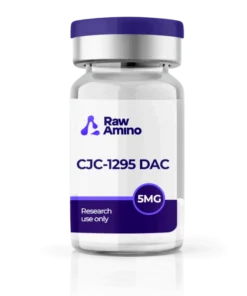
CJC-1295 DAC – 5MG
$
52.00
Add to cart
View cart
Cortagen – 20MG
$
63.00
Add to cart
View cart
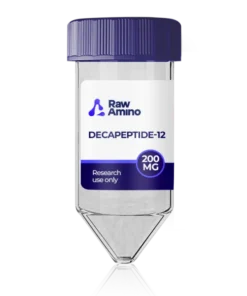
Decapeptide-12 – 200MG
$
221.00
Add to cart
View cart
DSIP – 5MG
$
46.00
Add to cart
View cart
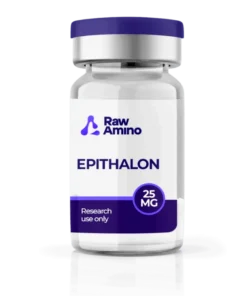
Epithalon – 25MG
$
109.00
Add to cart
View cart
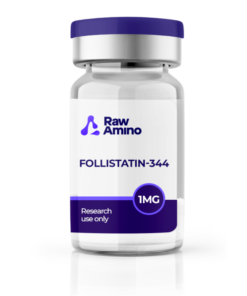
Follistatin-344 – 1MG
$
161.00
Add to cart
View cart
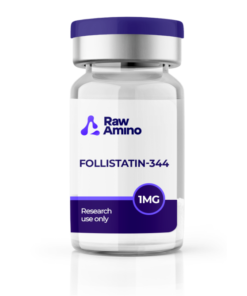
Follistatin-344 – 1MG
$
161.00
Add to cart
View cart
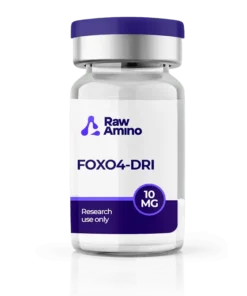
FOXO4-DRI – 10MG
$
276.00
Add to cart
View cart
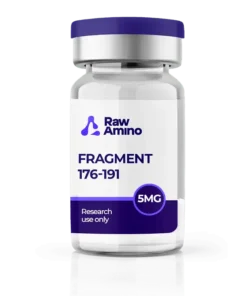
Fragment 176-191 – 5MG
$
45.00
Add to cart
View cart
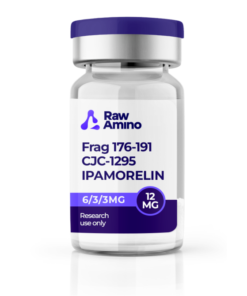
Fragment 176-191 & CJC-1295 & Ipamorelin – 12MG
$
92.00
Add to cart
View cart
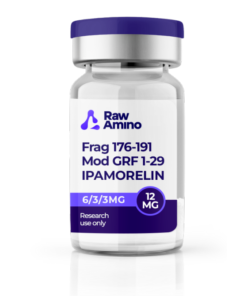
Fragment 176-191 & Mod GRF 1-29 & Ipamorelin – 12MG
$
92.00
Add to cart
View cart
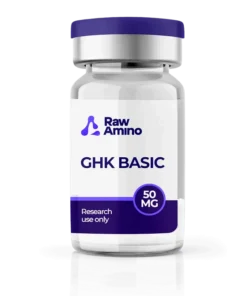
GHK Basic – 50MG
$
51.00
Add to cart
View cart
Previous Page
1
2
3
4
…
6
Next Page
Your cart
(items: 0)
Products in cart
Product
Details
Total
Available on backorder
Previous price:
Discounted price:
/
/
−
+
Save
Your cart is currently empty!
Start shopping
Notifications