

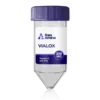

VIP – 6MG
$69.00
Scientific Overview of Vasoactive Intestinal Peptide (VIP)
Vasoactive Intestinal Peptide (VIP) is a naturally occurring peptide studied for its wide distribution across the gastrointestinal tract, pancreas, and brain in vertebrates. Scientific inquiry has explored its potential involvement in immune regulation, neuroprotection, and tissue remodeling. Researchers suggest that VIP may interact with multiple receptor systems, which could influence biological processes in diverse organs and tissues.
Alternative Names: Vasoactive Intestinal Polypeptide, PHM27
Vasoactive Intestinal Peptide (VIP) Studies and Research Data
Investigations into Receptor Interactions
Research suggests that VIP may engage with several receptor families, particularly G protein-coupled receptors such as VPAC1, VPAC2, and PAC1. The distribution of these receptors across the brain, lungs, liver, pancreas, and other organs has led scientists to propose that VIP’s interactions may vary widely depending on receptor location. Findings indicate that receptor activity could potentially influence both central and peripheral systems, though the precise outcomes remain under exploration.
VIP Research on Inflammatory Pathways in the Intestine
Scientific work has proposed that VIP may modulate immune signaling and support barrier function in intestinal models. In studies examining inflammatory bowel conditions, VIP appeared to influence tight junction integrity and reduce inflammatory signaling molecules. Murine models demonstrated that VIP exposure might support the preservation of proteins important for maintaining the intestinal lining, while also decreasing pro-inflammatory cytokine levels.
VIP Explorations of Pulmonary Responses
In respiratory models, VIP has been studied for its potential to influence vascular remodeling and inflammation. Evidence points to its possible suppression of NFAT activity, which may contribute to immune modulation in lung tissues. Preliminary research suggests that VIP could impact smooth muscle proliferation and pulmonary vascular responses, though outcomes remain subject to further investigation.
Findings in Neuroprotection Research
In the central nervous system, VIP has been proposed to play multiple roles, including neurotransmission and support of neuronal survival. Studies suggest that VIP may act on microglial cells, potentially reducing inflammatory activity while promoting neurotrophic factors. Its involvement in maintaining blood-brain barrier function and mitigating neuroinflammation has made it a topic of interest in models of neurodegeneration.
Research on Transplantation Models
Investigations have also considered VIP in the context of dendritic cell differentiation. Data suggest that exposure of dendritic cells to VIP may alter their immune-related signaling pathways, possibly shifting responses toward tolerance. This potential role in modulating immune activity has been of interest in laboratory studies examining transplantation biology.
Cardiac Fibrosis Investigations
Research into cardiac tissue models has proposed that VIP may be linked to fibrotic pathways. Animal studies indicated that VIP exposure was associated with reduced markers of scarring and downregulation of angiotensin-related signaling components. These findings suggest possible avenues for further exploration of VIP’s role in cardiac remodeling processes.
Conclusion
Research on Vasoactive Intestinal Peptide (VIP) highlights its wide receptor distribution and potential involvement in diverse biological systems. Scientific studies suggest possible roles in inflammation, pulmonary responses, neuroprotection, immune modulation, and fibrosis. However, these findings remain preliminary, and ongoing work continues to investigate the precise pathways and mechanisms through which VIP may act.
Be the first to review “VIP – 6MG”
You must be logged in to post a review.
Related products
Peptides
Peptides
Peptides
Peptides
Peptides
Peptides
Peptides
Reviews
There are no reviews yet.