


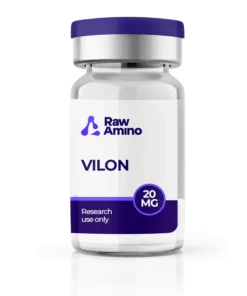
Vesugen – 20MG
$60.00
Scientific Overview of Vesugen
Vesugen, also known as KED, is a synthetic bioregulatory peptide first studied within Russian peptide research programs. It belongs to the class of short peptides thought to interact with vascular wall proteins. Scientific interest in Vesugen largely centers on its potential relevance to vascular cell function, neuronal processes, and cellular regulation associated with aging.
Vesugen Studies and Research Data
Investigations on Vascular Support
Research suggests Vesugen may contribute to the maintenance of vascular endothelial cell activity. Findings point toward possible modulation of cell proliferation markers and gene expression linked to endothelial renewal. Some studies propose that it could influence molecular pathways associated with vascular repair, including the expression of proteins tied to DNA regulation and cell-to-cell communication. Early-stage data further indicate that Vesugen may help normalize patterns of activity seen in conditions involving vascular stress or dysfunction.
Vesugen Research on Neurobiological Potential
Experimental models have investigated Vesugen in relation to neuronal survival and plasticity. Studies in murine systems imply that Vesugen may support long-term potentiation in hippocampal circuits, although results remain preliminary. Morphological assessments indicate a possible protective influence on dendritic spine density, particularly in structures involved in synaptic signaling. Gene-level observations suggest modulation of proteins associated with apoptosis, neurogenesis, and neuronal differentiation. Some findings also highlight potential sex-specific differences in neuronal response.
Explorations in Cellular Aging
Investigations into aging processes have examined Vesugen’s role in cellular differentiation. In aged fibroblast cultures, Vesugen appeared to encourage expression of certain signaling factors that may be relevant for tissue maintenance. Broader studies in aging models propose that Vesugen could influence biological age markers, with some evidence of anabolic and oxidative regulatory actions. Reports also note a potential role in modulating hematopoietic activity, though findings remain inconclusive and require further research.
Conclusion
Vesugen is a laboratory peptide studied for its possible roles in vascular integrity, neuronal function, and age-associated cellular processes. Research to date points to trends in gene regulation, cell communication, and plasticity, though these remain at an early stage. Findings highlight Vesugen as a compound of interest for continued laboratory investigation, with no confirmed outcomes established.
Be the first to review “Vesugen – 20MG”
You must be logged in to post a review.
Related products
Bioregulators
Bioregulators
Bioregulators

Bioregulators
Bioregulators
Bioregulators
Bioregulators
Bioregulators
Reviews
There are no reviews yet.