

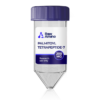

Pal-GHK – 200MG
$193.00
Scientific Overview of Pal-GHK (Palmitoyl Tripeptide-1)
Pal-GHK, also referred to as Palmitoyl Tripeptide-1 and Palmitoyl Oligopeptide, is a synthetic peptide composed of a fatty acid (palmitoyl) covalently linked to a tripeptide sequence (glycine-histidine-lysine). This structure has been proposed as a fragment derived from collagen, particularly from the alpha 2(I) chain of type I collagen. Researchers have suggested that such peptide fragments may act as biological signals following tissue injury, potentially serving as messengers for extracellular matrix activity. The addition of palmitoyl appears to enhance lipophilicity, which may contribute to improved penetration into epidermal cells during laboratory studies. Pal-GHK has thus become of interest in the context of experimental work exploring collagen production, antioxidative processes, and tissue repair.
Alternative Names: Palmitoyl Tripeptide-1, Palmitoyl Oligopeptide
Pal-GHK Studies and Research Data
Antioxidative Pathways and Free Radical Modulation
Experimental findings suggest that Pal-GHK may interact with genes associated with antioxidant activity. This interaction has been proposed as a mechanism by which the peptide may counter oxidative stress, which is often mediated by reactive oxygen, nitrogen, or carbonyl species. Certain laboratory reports suggest that Pal-GHK could reduce processes related to protein glycation caused by reactive species such as acrolein or malondialdehyde, thus potentially contributing to structural preservation in extracellular proteins.
Pal-GHK Structural Reinforcement and Skin Thickness
Pal-GHK has been investigated for its potential influence on structural proteins within the extracellular matrix. Laboratory models indicate that it may support collagen and glycosaminoglycan synthesis, with observations pointing toward possible stimulation of fibrillogenesis. In controlled settings, modest increases in measured skin thickness were noted after exposure to Pal-GHK. Additional experiments reported an apparent increase in collagen synthesis by fibroblasts, as well as improved hydration and elasticity in tested tissues. These findings suggest a role for Pal-GHK as a signaling molecule in collagen-related pathways.
Indicators of Skin Appearance
Some studies describe Pal-GHK as contributing to enhanced moisture retention and an apparent reduction in features such as wrinkling when evaluated in laboratory and clinical models. It has also been associated with reduced visible redness and discoloration, particularly in the context of photodamage. Such findings suggest potential interactions with epidermal processes relevant to visual appearance, though outcomes remain highly context-dependent.
Pal-GHK Experimental Evidence on Tissue Repair
A series of investigations have explored Pal-GHK in the context of wound closure and tissue renewal. Reports describe faster wound contraction and closure rates in experimental groups compared to controls, along with a shorter timeframe to full recovery. Histological assessments noted decreased neutrophil infiltration and increased neovascularization in the presence of Pal-GHK, indicating potential modulation of inflammatory responses and vascular growth. Additional ischemic wound models also suggested measurable decreases in wound size over time, with corresponding reductions in pro-inflammatory markers.
Conclusion
Research on Pal-GHK centers on its potential role as a bioactive peptide fragment capable of interacting with extracellular matrix components, antioxidant pathways, and tissue repair processes. Findings suggest possible influences on collagen synthesis, structural reinforcement, antioxidative protection, and wound closure dynamics. While evidence remains largely experimental, the peptide continues to attract attention as a model compound for studying extracellular signaling and regeneration in laboratory contexts.
Be the first to review “Pal-GHK – 200MG”
You must be logged in to post a review.
Related products
Peptides
Peptides
Peptides
Peptides
Peptides
Peptides
Peptides
Peptides
Reviews
There are no reviews yet.