


Mod GRF 1-29 & GHRP-2 – 10MG
$83.00
Scientific Overview of Mod GRF 1-29 & GHRP-2 Peptide Blend
Mod GRF 1-29 (sometimes referred to as Modified GRF 1-29 or CJC-1295 NO DAC) is a laboratory-engineered peptide modeled after the first twenty-nine amino acids of Growth Hormone-Releasing Hormone (GHRH). This shorter analog incorporates specific substitutions at several amino acid positions, which researchers suggest may contribute to increased stability and reduced vulnerability to enzymatic breakdown. These substitutions are theorized to help resist enzymatic degradation, minimize oxidation, and maintain more consistent signaling patterns when compared with naturally occurring GHRH fragments.
GHRP-2 (Growth Hormone Releasing Peptide-2) belongs to the class of Growth Hormone Secretagogues, a category of synthetic peptides studied for their potential to stimulate growth hormone release through receptor activation. It is considered part of the second generation of these compounds, alongside analogs such as GHRP-6, Ipamorelin, and Hexarelin. Research suggests GHRP-2 may exert its activity by binding to the ghrelin receptor (GHS-R1a), potentially influencing hormone release and appetite-related signaling.
Alternative Names: Modified GRF 1-29, CJC-1295 No DAC, Growth Hormone Releasing Peptide-2
Mod GRF 1-29 & GHRP-2 Studies and Research Data
Cellular Pathways and Signaling
Investigations into Mod GRF 1-29 indicate that it may interact with GHRH receptors in the pituitary, setting off signaling pathways involving cAMP and protein kinase cascades. These processes may ultimately support calcium influx and the secretion of stored growth hormone. Similarly, GHRP-2 appears to engage ghrelin receptors, with studies suggesting downstream signaling through phospholipase C, inositol trisphosphate (IP3), and diacylglycerol (DAG). This cascade may promote intracellular calcium release, an event linked to the release of growth hormone vesicles.
Mod GRF 1-29 & GHRP-2 Research on Muscle and Body Composition
Growth hormone–related peptides have been studied for their potential roles in supporting skeletal muscle activity. Evidence suggests that Mod GRF 1-29 and GHRP-2 may contribute to increased size of muscle fibers and the proliferation of new fibers, processes which are theorized to be influenced by growth hormone signaling.
Findings Related to Tissue Repair and Oxidative Balance
Experimental data suggest these peptides may influence fibroblast proliferation and collagen formation, processes relevant to cellular repair. Other findings indicate possible involvement in reducing oxidative stress, which may help mitigate damage in certain laboratory contexts.
Mod GRF 1-29 & GHRP-2 Investigations into Glucose and Lipid Metabolism
Research into GHRH analogs, including Mod GRF 1-29, has reported potential influences on glucose regulation. Some laboratory models suggest enhanced proliferation of pancreatic islets and insulin expression. Other studies note possible changes in lipid metabolism, including reductions in triglyceride-rich lipoproteins.
Bone and Mineralization Studies
Laboratory observations indicate that GHRH analogs may support bone-forming cell activity through IGF-1 mediated pathways. This could potentially contribute to bone mineral density and resistance to bone loss in experimental models.
Insights into Cardiovascular Research
Experimental studies have suggested that GHRH analogs may influence cardiac recovery following stressors such as myocardial infarction. Findings have included improved diastolic function, reduced infarct size, and attenuation of hypertrophy in laboratory animals.
Mod GRF 1-29 & GHRP-2 Potential Synergistic Actions
Research suggests that while Mod GRF 1-29 alone may promote pulsatile hormone release, and GHRP-2 may similarly stimulate secretion, their combined use in laboratory settings appears to demonstrate additive or even synergistic responses. Some studies report that combined exposure produced greater hormone output than either compound alone.
Appetite and Feeding Behavior Studies
GHRP-2 has also been studied for its potential action at ghrelin receptors outside the pituitary. Data suggest increased appetite and greater food intake in laboratory models compared with controls, alongside observed elevations in circulating growth hormone concentrations.
Conclusion
The Mod GRF 1-29 & GHRP-2 blend has been studied across diverse areas, ranging from cellular signaling pathways and hormone regulation to body composition, tissue repair, metabolic processes, bone density, cardiovascular function, and appetite control. Research consistently highlights possible synergistic actions when the two peptides are studied together, though outcomes remain exploratory and limited to experimental and laboratory contexts.
Be the first to review “Mod GRF 1-29 & GHRP-2 – 10MG”
You must be logged in to post a review.
Related products
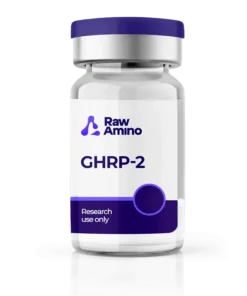
Peptides
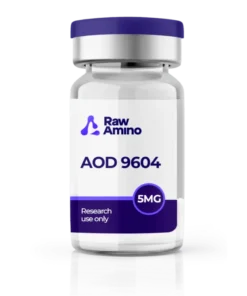
Peptides
Peptides
Peptides
Peptides
Peptides
Peptides
Peptides
Reviews
There are no reviews yet.